Yusuf Font: Elegant Serif for Web Design
As a web designer, I'm always on the lookout for fonts that bring personality to digital projects without sacrificing usability. Yusuf is one such font that caught my attention during a recent redesign of a boutique online store. Its soft curves and romantic flair make it perfect for headers and decorative elements, while its readability ensures it doesn't fall into the trap of being too ornate for web use.
Visual Personality and Digital Appeal
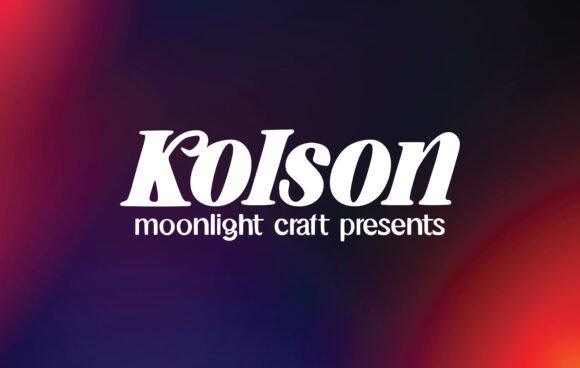
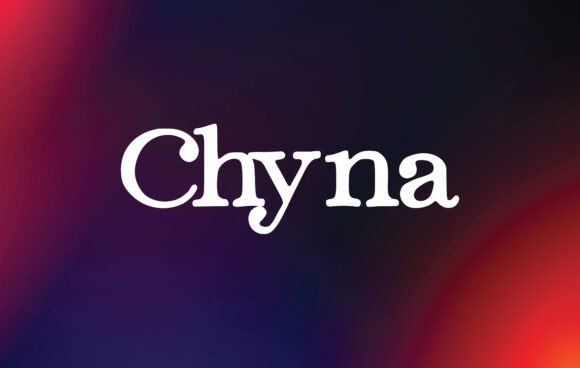
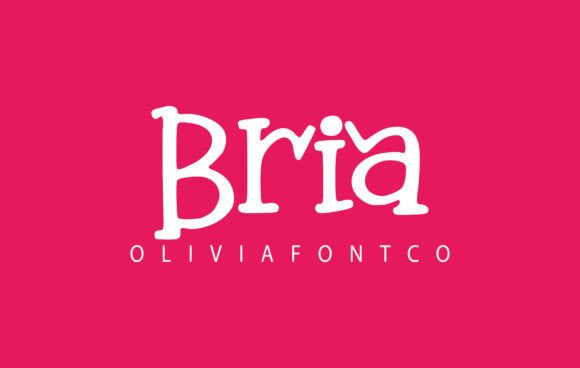
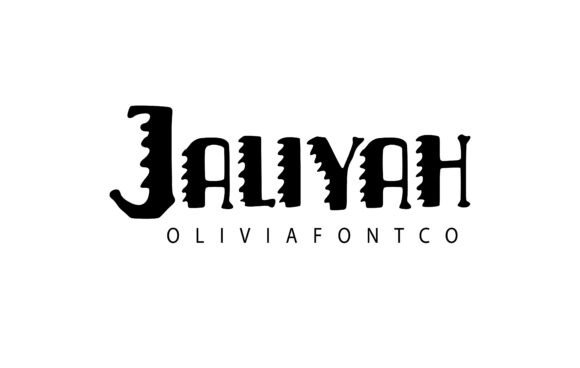
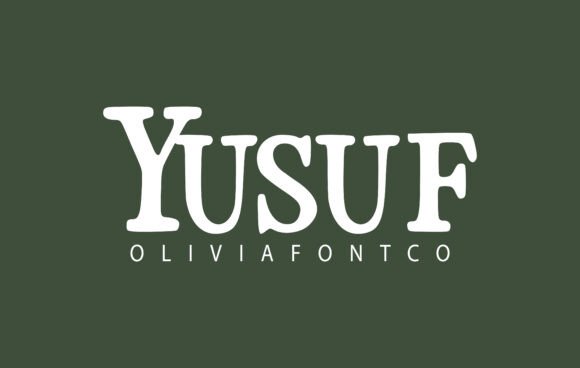
Yusuf has a distinct visual personality that leans into the elegance of traditional serif fonts but adds a modern, handwritten twist. The subtle swashes and gentle curves give it a warm, inviting feel that works well in both digital and print contexts. When used in a hero section or on a product landing page, it adds a touch of sophistication without overwhelming the design.
One of the standout features of Yusuf is how it balances style with legibility. Even at smaller sizes, it maintains clarity, making it suitable for buttons, call-to-action areas, and short headlines. This makes it a versatile choice for web designers who want to add character to their layouts without compromising on user experience.
Real-World Web Use Cases
I tested Yusuf on a variety of web projects, from portfolio sites to course sales pages. On a creative portfolio homepage, it worked beautifully as a heading for the featured work section. The font’s organic flow gave the page a personal, artisanal feel that aligned perfectly with the brand's identity.
On a product landing page for an online shop, Yusuf was ideal for the main headline. It added a sense of luxury and craftsmanship that matched the high-end products being sold. When paired with a clean sans serif font for body copy, the contrast helped guide the user’s eye through the content while maintaining a cohesive look.
In a blog header, Yusuf brought a fresh, approachable tone that stood out against more standard typefaces. It felt like a breath of fresh air, especially when used alongside a minimalist layout. The font’s charm made it easy to spot, which is essential for creating a strong visual hierarchy.
Readability and Responsive Performance
One of the key concerns when using a decorative font like Yusuf on the web is how it performs across different screen sizes. I found that it holds up well on mobile devices, maintaining its legibility even at smaller sizes. This makes it a great option for responsive design where consistency is crucial.
When placed over image banners or dark backgrounds, Yusuf still retained its clarity, which is important for ensuring that text remains accessible. On light backgrounds, the font’s subtle details didn’t get lost, and it maintained a balanced appearance that complemented the overall design.
For small buttons or navigation elements, I recommend using a lighter weight of Yusuf or pairing it with a simpler font. While it works well for short phrases and titles, it may not be the best choice for long paragraphs or dense text blocks due to its decorative nature.
Font Pairing and Brand Identity
Pairing Yusuf with other fonts can help create a balanced and professional look. For example, combining it with a clean sans serif font like Lato or Montserrat provides a nice contrast that enhances readability while keeping the design modern and polished.
For editorial-style websites or blogs, pairing Yusuf with a traditional serif font like Georgia or Playfair Display can create a classic, timeless aesthetic. This combination works particularly well for content-heavy sites where the font needs to support the message without distracting from it.
When designing for a brand that wants to emphasize creativity and craftsmanship, Yusuf can serve as a strong visual anchor. Its romantic touch and elegant form make it ideal for logos, headings, and other branding elements that need to convey a sense of artistry and care.
Practical Considerations for Web Designers
Before integrating Yusuf into a project, it’s important to check what styles and weights are available. Many premium fonts come in multiple variations, which can be useful for creating visual interest without overcomplicating the design.
Webfont availability is another factor to consider. If the font is not available as a web-safe font, you’ll need to ensure that it’s properly licensed for digital use. This is especially important if you're working on client projects or selling digital templates.
Additionally, checking for multilingual support is crucial if your audience speaks multiple languages. Some fonts may not include all characters needed for non-English text, so it’s worth verifying this before finalizing a design.
Overall, Yusuf is a powerful tool for web designers looking to add a touch of elegance and personality to their projects. Whether used in a hero section, a product landing page, or a blog header, it brings a unique energy that can elevate the entire user experience.