Pitanga: A Romantic Serif Font for Creative Projects
There I was, staring at a blank brand board, trying to find the right visual voice for a new boutique skincare line. The client wanted something elegant, approachable, and a little whimsical. After testing several options, Pitanga caught my eye—not just for its aesthetic, but for how it felt in use. It’s one of those fonts that makes you want to write more, not less.
The Personality of Pitanga
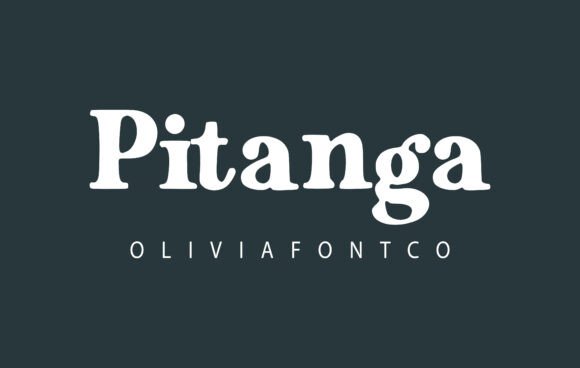
Pitanga is a handwritten serif font with a romantic touch. Its curves are soft, almost like a handwritten note left on a desk. The strokes have a natural variation that gives it a personal, authentic feel. It’s not too ornate, nor is it overly casual. Instead, it strikes a balance between refined and freeform, making it versatile for a range of creative applications.
What stands out is how Pitanga carries a sense of warmth. It feels like it belongs in a world where design is thoughtful, and every detail matters. Whether used in a logo or as a headline, it adds a human element that can’t be replicated by rigid typefaces.
Testing Pitanga in Real-World Branding
I first tested Pitanga on a logo concept for a small-batch candle company. The font’s flowing lines paired beautifully with minimalist illustrations, giving the brand a handcrafted, artisanal vibe. On a packaging mockup, it looked natural on labels, especially when paired with a simple sans serif for body text. The contrast helped guide the viewer’s eye without feeling jarring.
On a business card, Pitanga worked well as a headline font. It added a personal touch without overwhelming the design. When placed on a website header, it brought a sense of elegance that complemented modern web design trends. In social media graphics, it stood out as a strong, memorable choice for captions and callouts.
One thing I noticed is that Pitanga shines best when used sparingly. It’s not a font meant for long paragraphs. In editorial design, it worked well as a subheading or featured text, but I wouldn’t recommend using it for body copy. Its intricate details can become difficult to read at smaller sizes or in dense layouts.
When Pitanga Works Best
Pitanga is ideal as a display or headline font. It excels in logo design, especially for brands that want to convey a sense of creativity, intimacy, or artistry. It also works well as an accent font, adding visual interest when paired with a more neutral typeface.
For a café rebrand, I used Pitanga as the primary logo font, with a clean sans serif for menu headings. The combination gave the brand a fresh, modern look while maintaining a warm, inviting personality. On a poster for a local art exhibit, it added a touch of sophistication that elevated the overall design.
It also performed well on a shop sign, where its readability was maintained at larger sizes. However, I’d avoid using it for anything that requires high legibility, such as product instructions or signage in low-light environments.
Pairing Pitanga with Other Fonts
When pairing Pitanga, consider balancing its organic flow with more structured typefaces. A classic serif like Georgia or Baskerville can create a timeless look, while a modern sans serif like Helvetica or Montserrat offers a clean, contemporary contrast.
For a more dynamic effect, pair it with a script or handwritten font. This creates a layered, textured feel that works well in editorial or packaging design. Just be mindful of not overcomplicating the hierarchy—let Pitanga be the star when it needs to be.
Practical Considerations
Before using Pitanga in client work, test it across different mediums. Print it on a mockup, view it on a screen, and check how it looks in various sizes. Make sure it maintains its character without becoming too fragile or hard to read.
Also, check the font’s licensing terms. Commercial use often requires additional permissions, especially if the font will be part of a brand’s identity system, templates, or digital products. Always verify that the license covers your intended use case.
If you’re looking for a premium font that brings a personal, romantic touch to your designs, Pitanga is worth considering. It’s not a one-size-fits-all solution, but for the right project, it can elevate the visual language in a meaningful way.