Marmot: A Serif Font for Creative Campaigns
It was the morning of a product launch, and I was staring at a stack of social media graphics. The visuals were good, but something felt off. The headlines lacked punch, the branding wasn’t cohesive, and the message wasn’t landing. That’s when I remembered Marmot—a handwritten serif font that had been sitting in my design toolkit for months.
I opened the file, previewed it on a mobile screen, and immediately felt the difference. Marmot brought warmth, personality, and clarity to the text. It wasn’t just a font; it was a tool that could elevate the entire campaign.
What Makes Marmot Stand Out
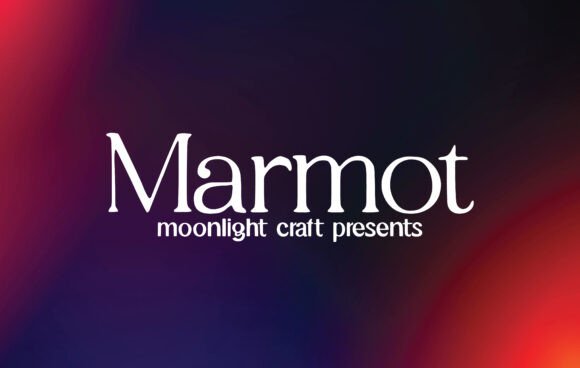
Marmot is a beautifully crafted handwritten serif font that feels both elegant and approachable. Its organic curves and subtle variations give it a hand-drawn quality that adds character without sacrificing readability. It’s ideal for campaigns that want to feel personal yet professional.
The font has a soft, friendly tone that works well for brand messaging, especially when the goal is to connect with an audience on an emotional level. Whether it’s a seasonal sale or a new product teaser, Marmot can help make the message more memorable.
Using Marmot in Real Campaigns
For a recent Instagram content series, I used Marmot for the captions and overlay text on images. The font added a sense of authenticity that matched the brand’s voice. It worked especially well on Pinterest pins, where the visual hierarchy needed to be clear but not overwhelming.
When designing YouTube thumbnails, I paired Marmot with a bold sans serif for contrast. The result was a clean, eye-catching look that stood out in a crowded feed. For email banners, I used Marmot as a header font, which helped reinforce brand identity across multiple channels.
One of the most effective uses came during a webinar promotion. I created a promotional graphic with a short headline in Marmot, paired with a simple sans serif for the details. The combination made the callout more readable while maintaining a stylish aesthetic.
Best Practices for Marmot in Digital Design
When using Marmot in small previews or thumbnails, it’s important to keep the text size large enough to remain legible. On dark backgrounds, the font maintains its clarity, making it a good choice for image overlays and social media posts.
For fast-scrolling feeds, Marmot works best when used in short headlines or callouts. It’s less suited for long paragraphs, but as a display font, it shines in logos, headers, and decorative titles. The font also pairs well with modern typography systems, allowing for a balanced and professional look.
When pairing Marmot with other fonts, consider using a clean sans serif for body text or a complementary serif for a more traditional feel. A script font could work for accents, but Marmot’s unique style often stands strong on its own.
Practical Tips for Marketers
Before finalizing a campaign, always check the font’s weights, ligatures, and alternates. Marmot includes multiple styles that can add variety to a design set. Make sure to test the font in different file formats and on various platforms to ensure consistency.
If you’re working on a client campaign or branded content, verify the commercial licensing terms. Marmot is a premium font that offers flexibility for digital ads, merchandise, and online shop promotions.
For multilingual projects, Marmot supports a range of characters, making it a versatile choice for global campaigns. Its readability on mobile screens makes it ideal for social media content that needs to perform well on smaller devices.
Final Thoughts on Marmot
Using Marmot in a campaign isn’t just about aesthetics—it’s about creating a stronger connection with the audience. The font helps make messages clearer, more engaging, and more recognizable. Whether it’s a product launch, a seasonal sale, or a branded content series, Marmot can bring a fresh, creative energy to the design process.
As a marketer, I’ve found that choosing the right font can make all the difference. Marmot isn’t just a typeface; it’s a powerful ally in building a compelling visual story.